The United States recycles and composts 32.1 percent of its municipal solid waste, burns 14 percent of it, and landfills 54 percent. Everything else in environmental coverage is a variation on that arithmetic: what a material is, where it goes, who pays for the trip, and what the alternative costs. A reader trying to make a decision — what to put in the bin, whether to put panels on the roof, whether the thing they were told at a town meeting is true — needs three things: the physical mechanism, the number that describes it, and the point at which a good idea stops working. The sections below take those in order.
Trash is a weight problem, and recycling is a rate
The U.S. generated 1,800 pounds of municipal solid waste per person per year as of 2018, and of the 292.4 million tons generated nationally, 93.9 million tons were recycled or composted. That is the whole scoreboard. Municipal solid waste, in the Environmental Protection Agency's definition, is household and commercial trash from homes, schools, offices and similar places — it excludes construction debris, industrial waste, and sewage sludge, which is why the number sounds smaller than the landfill you can see from the highway.
Recycling is a manufacturing process, not a moral one. The EPA describes it as collecting and processing materials that would otherwise be thrown away and turning them into new products. The word processing carries all the weight. Material that is collected but cannot be processed — because it is contaminated with food, because it is a plastic with no buyer, because it is a shape the sorting equipment cannot handle — is not recycled; it is collected, trucked, sorted, and landfilled at higher cost and higher emissions than if it had gone straight to the curb as trash. The 32.1 percent figure counts what actually got processed, not what got set out.
That is why the practical question at the bin is never "is this recyclable?" but "does my facility accept this, in this condition, this week?" The list is local and it changes. Rigid containers, flattened, rinsed, caps handled the way your program specifies: usually fine. Plastic film, tanglers, and anything smaller than a fist: usually a problem, because they wrap around the sorting machinery and the line has to be stopped and cut free. "Wishcycling" — putting something in the bin in the hope that it will be recycled — is the single most expensive habit in the system, because a load of paper contaminated by a few greasy containers gets rejected as a load.
The trade-off is honesty about scale. Residential sorting is real but small compared to what happens upstream in manufacturing and downstream in disposal, and a reader who has been told that personal sorting is pointless will make different choices than one who has been told it is everything. Both extremes are wrong. The rate is 32.1 percent because of a mix of collection access, processing capacity, and commodity markets, and no individual bin changes that — but the loads that fail do fail for identifiable, avoidable reasons.
Landfill, combustion, and the 54 percent
More than half of U.S. municipal solid waste — 54 percent — goes to landfill. Landfills are engineered facilities, not dumps: a lined pit, a leachate collection system, and a gas management plan, because buried organic material decomposes anaerobically and produces methane, which is a far more potent greenhouse gas than the carbon dioxide from burning the same material. The engineering question at a landfill is whether the gas is captured and flared or captured and used for electricity, and how long the site is monitored after it closes — decades, funded by a tipping fee set at the time of permitting, which is where local politics gets real.
Combustion handles 14 percent. A waste-to-energy plant burns trash to make steam and electricity, and it does something a landfill cannot: it reduces volume by a large factor, which matters in places where land is expensive and the alternative is trucking waste a long distance. What comes out the other side is ash, which still has to be landfilled, and air emissions, which are controlled but not eliminated. Siting a combustion facility is one of the hardest problems in local environmental politics, and the honest framing is that it trades landfill land and methane for air quality and capital cost.
The disposal hierarchy only makes sense if you keep the numbers attached. Landfilling is cheap at the gate and expensive over time; combustion is expensive at the gate and cheap in land; recycling and composting are cheap in land and depend entirely on whether someone will buy the output. A municipality choosing between them is not choosing between good and bad, it is choosing which cost to defer and onto whom.
Composting is the half of the recycling rate nobody pictures
The 93.9 million tons recycled or composted combines two very different supply chains, and composting is the one most households have never been offered. Yard trimmings and food scraps break down aerobically into a soil amendment, and the process is far less fussy than plastics reprocessing: it needs the right carbon-to-nitrogen balance, moisture, and oxygen, and it produces a product that farmers and landscapers actually want. Where curbside organics collection exists, participation tends to be high once people stop putting the material in a plastic bag — the bags are the classic contaminant, because the facility cannot tell a compostable liner from a conventional one at speed.
The limit is infrastructure, not willingness. A compost facility needs land, a buffer from neighbors who will complain about odor if the pile is managed badly, and a market for the finished material. Backyard bins handle yard waste and some food scraps but not meat or dairy in most setups, because of rodents. The choice for a household is usually: curbside if offered, a backyard system if you have the space and the patience, and otherwise the trash — with the acknowledgment that food in a landfill is a methane source in a way that food in a compost pile is not.
Solar is a sizing decision before it is a technology decision
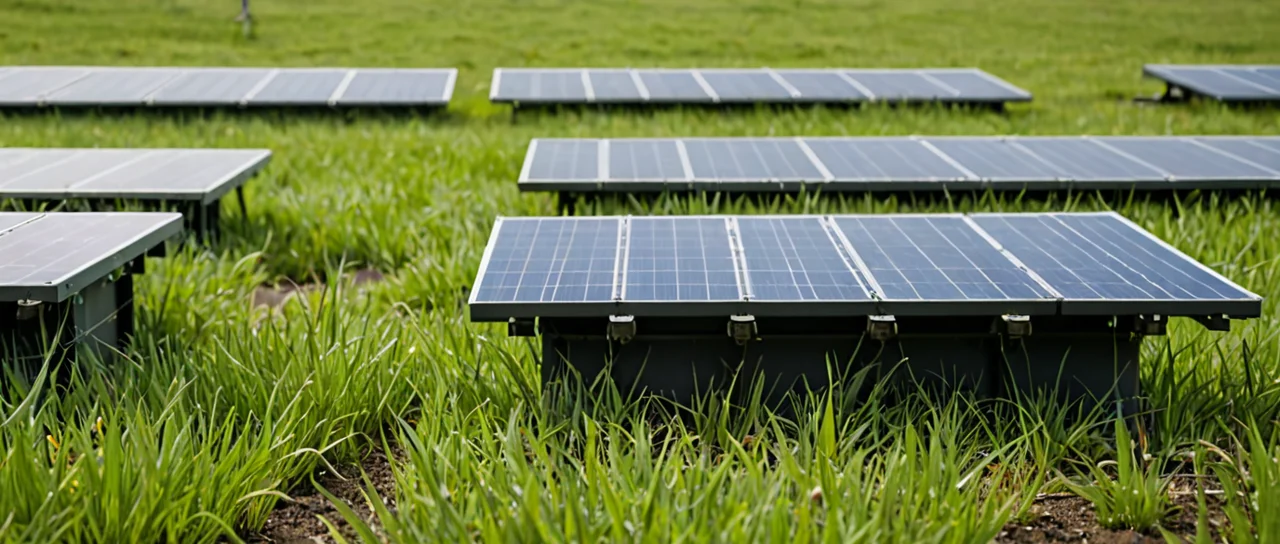
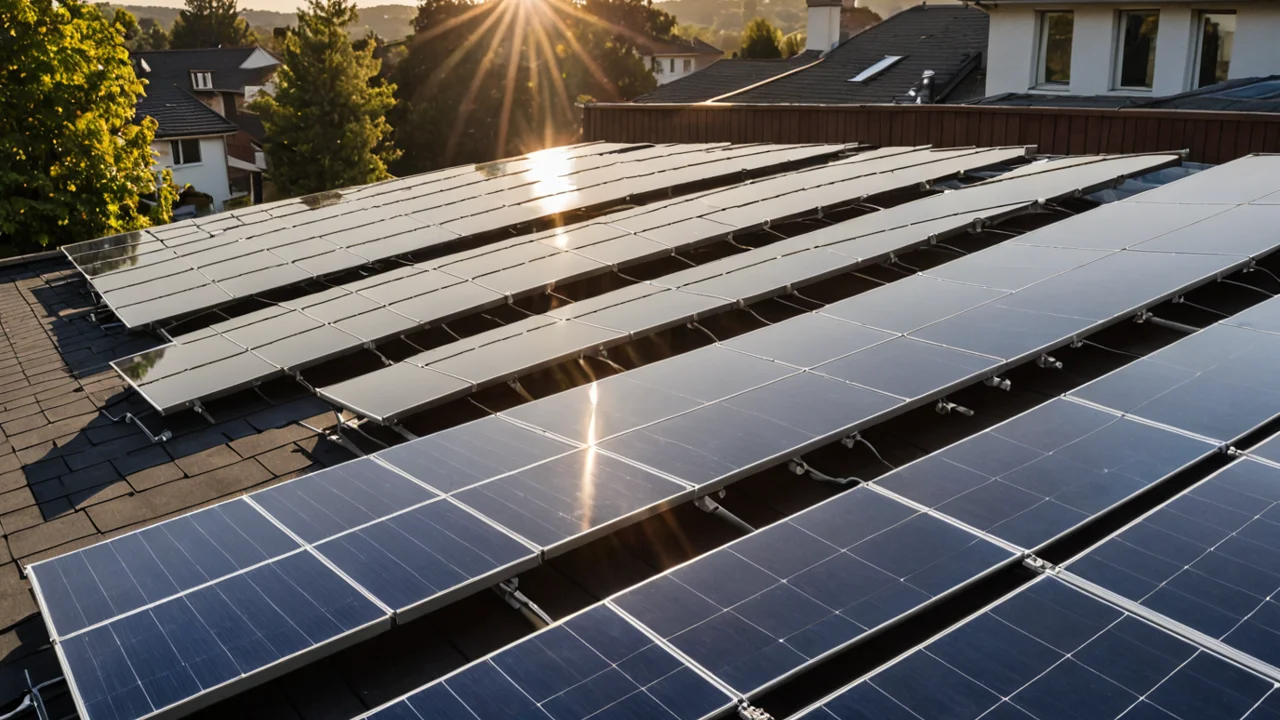
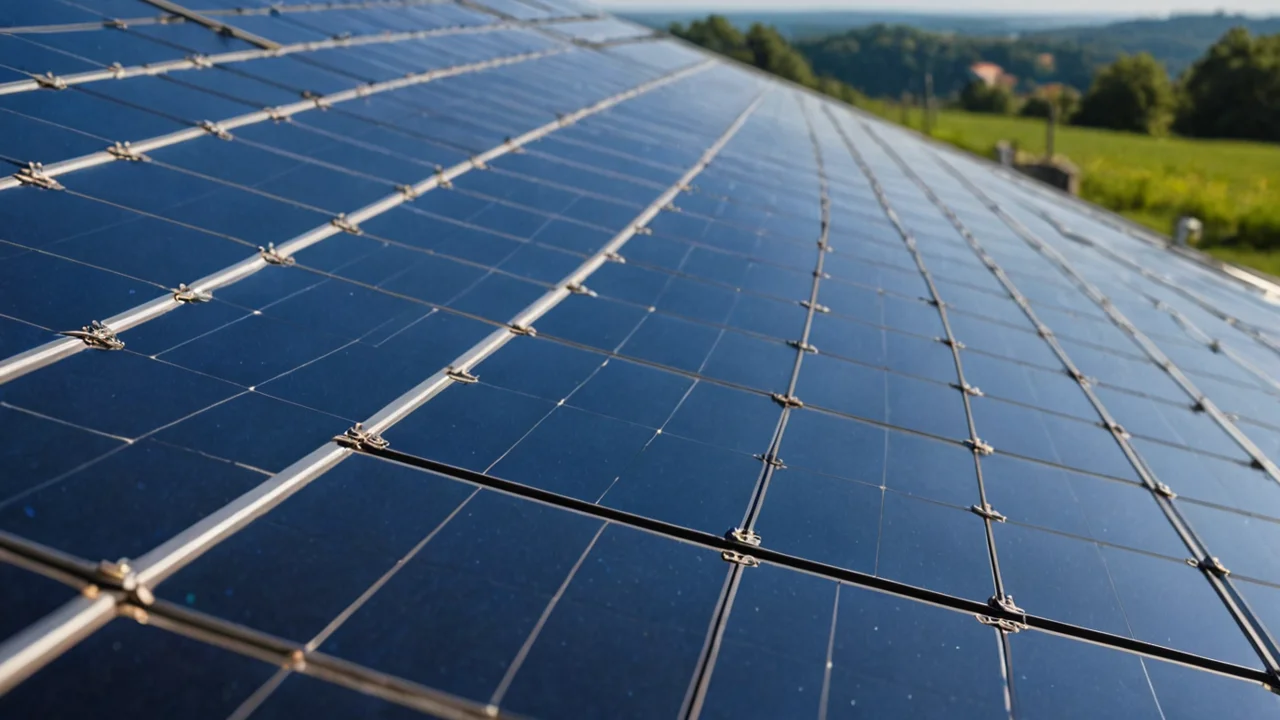
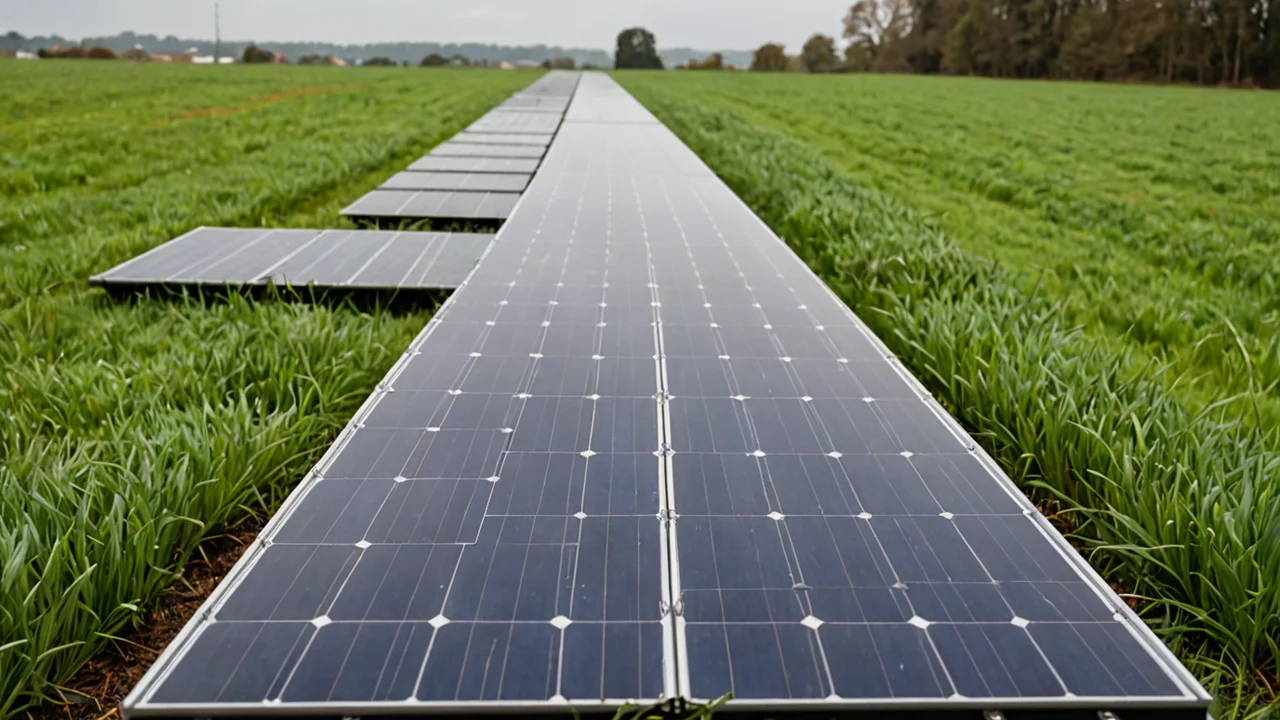
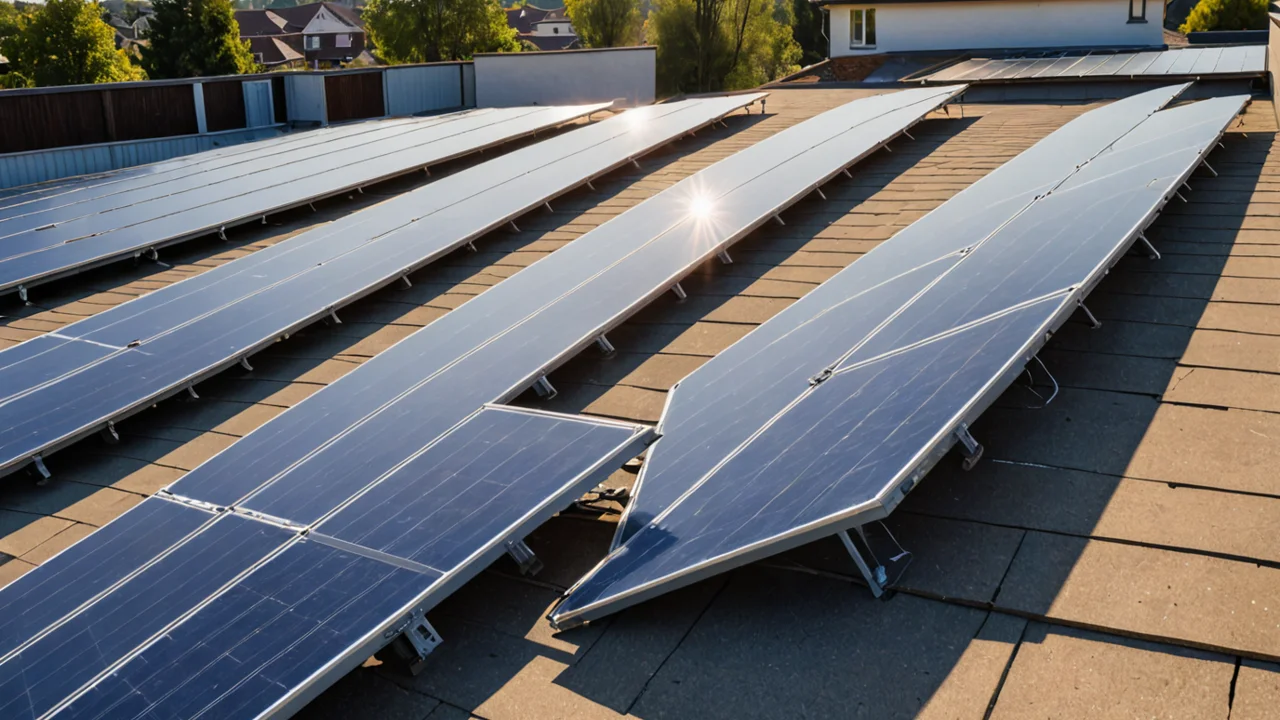
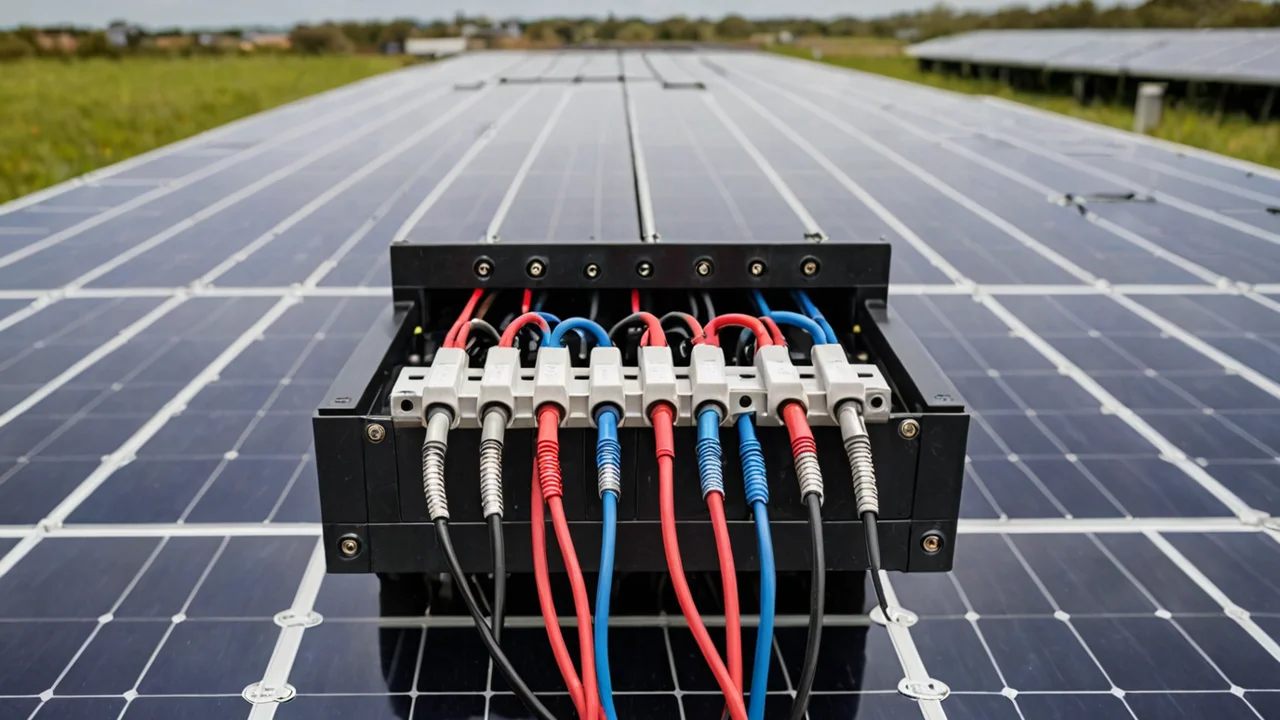
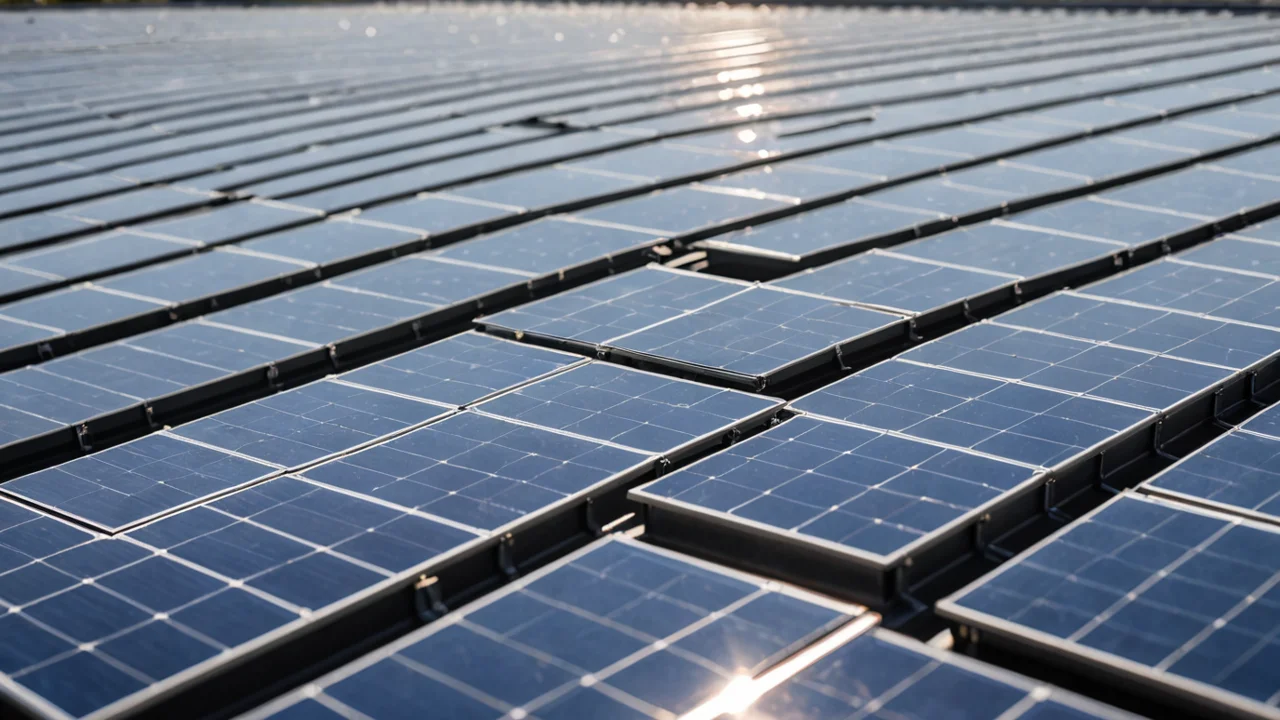
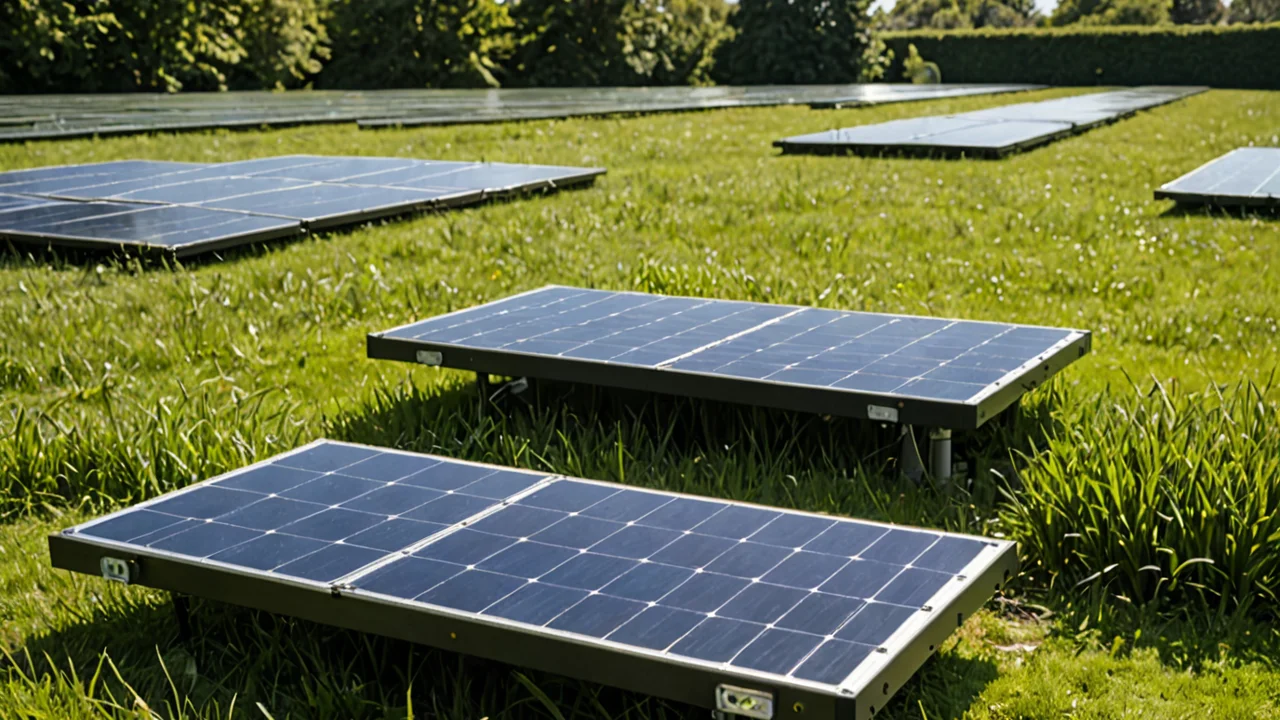
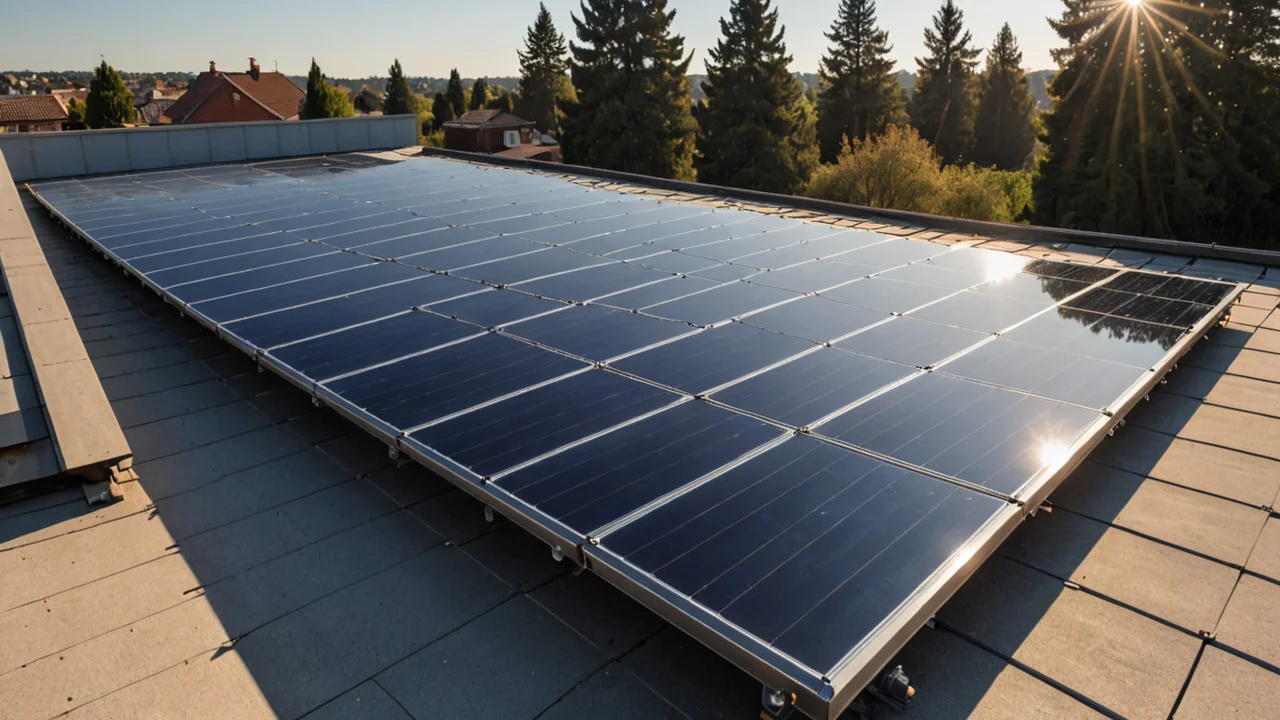
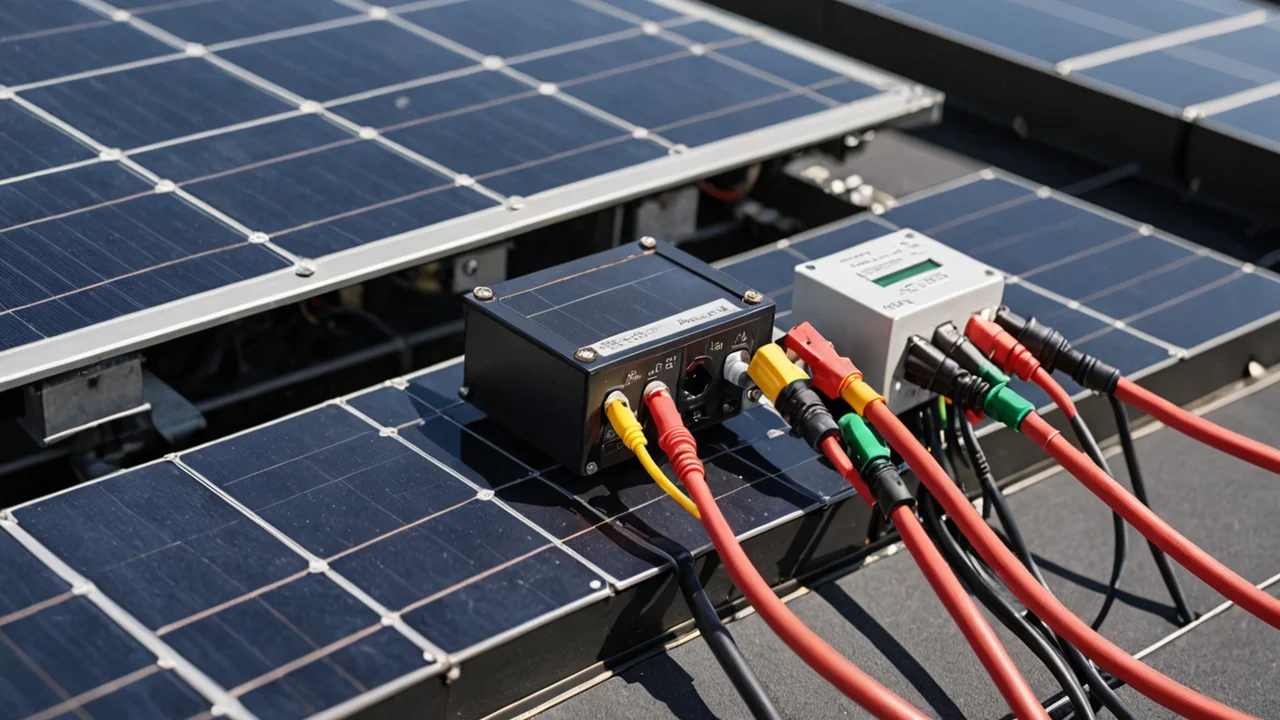
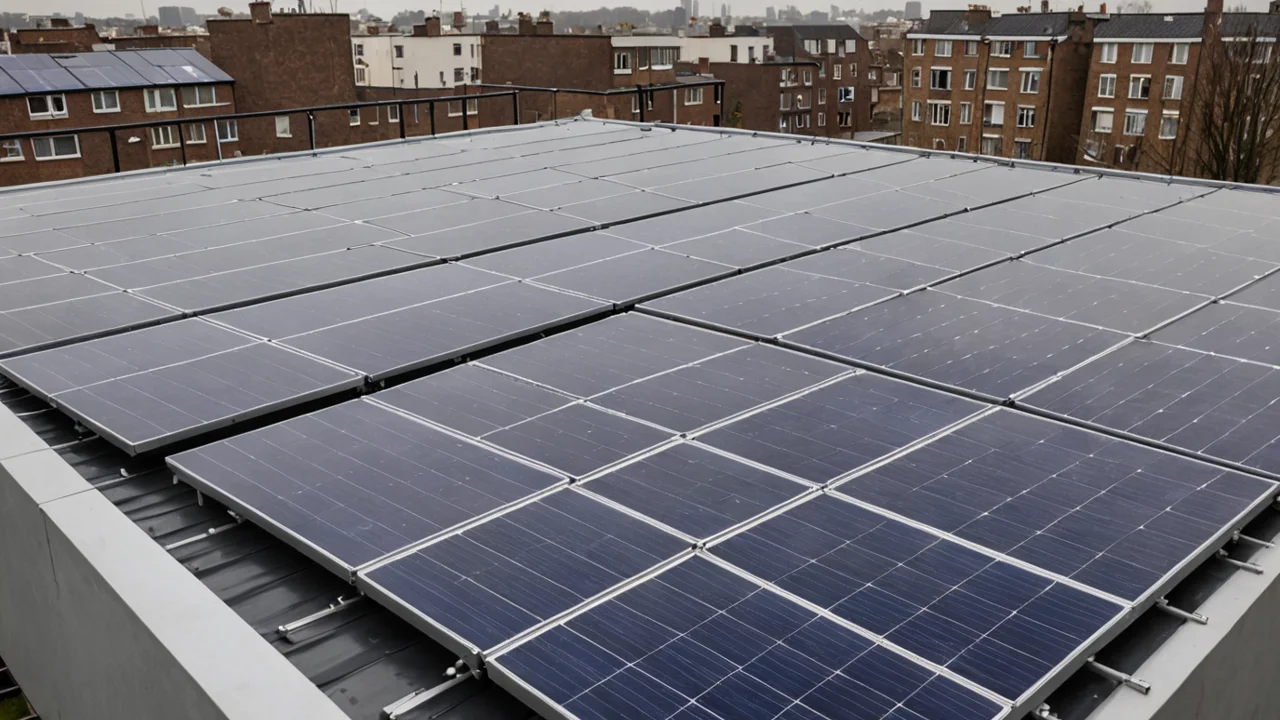
The average U.S. residential solar photovoltaic system is 7.1 kilowatts direct current. That is a fact about the market, not a recommendation — it is the midpoint of what installers actually put on roofs, and it reflects typical household consumption, typical roof area, and typical utility rules far more than it reflects the best engineering for any one house. A solar photovoltaic system, per the Energy Information Administration, is panels plus the associated equipment that converts sunlight directly into electricity: the inverter, the mounting, the wiring, the disconnects.
Sizing comes first. The right question is how much electricity the house uses over a year, what the roof can hold given shade, pitch and orientation, and what the utility will credit for exported power. A system that is too small leaves you buying grid power at retail; one that is too large, under a utility that pays a low export rate, sells surplus at a fraction of what you paid to make it. Efficiency — the share of sunlight a module converts to electricity, as the National Renewable Energy Laboratory reports it — matters less than people expect, because a lower-efficiency panel on a big unshaded roof often beats a premium panel on a small shaded one. Roof area is the binding constraint, not cell chemistry.
The costs that surprise people are rarely the panels. They are roof work that should happen before the array goes up rather than after, inverter replacement partway through the system's life, and the interconnection process with the utility, which sets timelines nobody controls. The wrong choice is buying on the monthly payment rather than on the annual production estimate and the rate structure the system is being designed against. The other wrong choice is treating solar as a statement; it is a capital purchase with a payback period that depends on rates, incentives and how long you stay in the house.
Water, air and land are one system with three different regulators
Environmental problems are usually described by medium — water, air, land — because that is how the law is organized, not because the physical world respects the boundary. The landfill that takes the ash from the combustor is a land decision with a water consequence, through leachate. The compost facility is a land decision with an air consequence, through odor. The solar array is an energy decision with a land consequence, at utility scale, in how much ground it covers. A reader who tracks only one medium will keep being surprised by the trade-offs in the other two.
The practical consequence is that jurisdiction is fragmented. A single material can pass through a household bin regulated by a city, a transfer station regulated by a county, a processing facility regulated by a state, and an end market subject to commodity prices set globally. No one agency sees the whole path, which is why contamination and capacity problems surface as local crises rather than as policy failures. When you hear that a recycling program is "broken," the specific failure is almost always one of three things: no end market for a material, no processing capacity within trucking distance, or a contamination rate high enough that buyers walk.
What this means for a decision is that the useful unit of analysis is the material's path, not the label on the bin. Follow the paper, the plastic, the food scraps, the panel at end of life, and ask at each step who pays and who can refuse. Where a step has no payer, the material stops moving and gets landfilled. That is not cynicism; it is the mechanism, and it explains most of the 54 percent.
What to do with all this, in the order that pays
Start with the decisions that have the shortest feedback loop and the clearest cost. Reduce what comes in — the packaging you decline is waste you never have to sort, and it is the only intervention that avoids every downstream cost. Then sort correctly according to your actual local program, which means reading the accepted-materials list once a year rather than trusting the symbol on the bottom of the container. Then handle organics if your municipality offers it, because food scraps are the heaviest fraction of a typical household's trash and the one with the worst landfill outcome.
For larger capital decisions, get the numbers before the vendor does. For solar, that means a year of consumption data, a production estimate for your specific roof, and the exact export and netting rules your utility applies — the difference between rate structures can exceed the difference between panel brands. For anything involving a local facility — a compost site, a transfer station, a combustor — the questions that matter at a public meeting are the ones with numbers attached: permitted capacity, tonnage per year, the capture rate for gas or the contamination rate for feedstock, the closure or replacement fund, and who is on the hook if the operator walks away.
The honest limit of all of this is that household and consumer choices operate at the margin of a system whose totals are set by infrastructure, markets and policy. The 32.1 percent is not going to 60 because of better bins. But the margin is where the failures are visible and where the fixes are cheap: contamination that kills a load, food in a landfill that could have been compost, a solar array sized against a rate structure that changed. Those are worth getting right precisely because they are small enough to get right.
One more thing worth saying plainly: most environmental numbers are old by the time you read them. The 32.1 percent and the 292.4 million tons are 2018 figures, the 7.1 kilowatts is 2022. They are the best available descriptions of the system, and they are descriptions of a system that has moved since. Treat a figure as a way to understand the mechanism, not as a live reading, and when a decision turns on a number, find the current one for your jurisdiction before you spend money on it.