
The single decision that determines the environmental value of almost any system you build or install is what you make the components out of, how long they last, and what happens to them at end of life. Material choice beats gadgetry. A well-built object in a modest material that lasts a decade outperforms a high-tech object in a composite you cannot repair; a solar array sized to your actual load beats a larger array bolted onto a poorly insulated house. Choosing components is mostly an exercise in refusing the second-best option early.
Start with the material, not the product
Pick the material stream first, because it decides how the component can be recycled, repaired, or composted, and those options are largely fixed before you choose a brand. The U.S. Environmental Protection Agency defines recycling as collecting and processing materials that would otherwise be thrown away as trash and turning them into new products. That definition is doing real work: it says a component only counts as recyclable if a processor can actually turn it into a new product, not if a symbol is printed on it. So the first question about any component is not "is it recyclable?" but "which processing stream in my region will take it?"
The overall picture is sobering. As of 2018, the U.S. municipal solid waste recycling and composting rate was 32.1 percent—93.9 million tons out of 292.4 million tons generated. The disposal split that year was 32 percent recycled or composted, 14 percent burned at combustion facilities, and 54 percent landfilled. Read that as a description of where material goes if you do nothing special: most of it is buried. A component chosen for recyclability still has better than even odds of being landfilled unless the stream is well-established in your area.
The practical consequence is a hierarchy. Mono-material components—a single polymer, a single metal, untreated wood—are the easiest to place in a real stream. Multi-material laminates, bonded composites, and foams are the hardest, because separating the layers costs more than the recovered material is worth. If you are choosing between a component in high-density polyethylene and one in a glass-fiber composite, the polyethylene is the defensible choice even if the composite performs better on paper. The trade-off is honest: composites are often stiffer and lighter, and if the component's job is structural and long-lived, that may outweigh end-of-life concerns. Long service life is itself a form of recycling—the best component is the one you never replace.
Watch for the failure mode where a "recyclable" component arrives with a finish that ruins the stream: painted metal is fine, but plastic with an adhesively bonded label, a metalized film, or a foam core is not. You notice the problem when you try to actually drop the thing in a bin and the hauler's accepted-materials list rejects it. Check that list before you buy, not after.
Match the component to the load, not the catalog
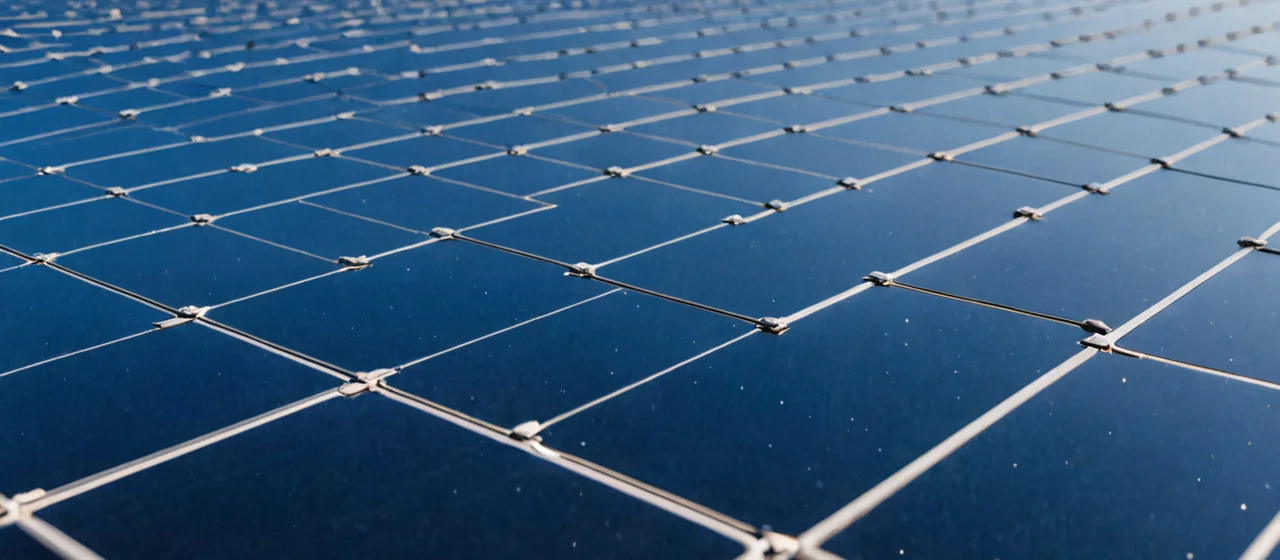
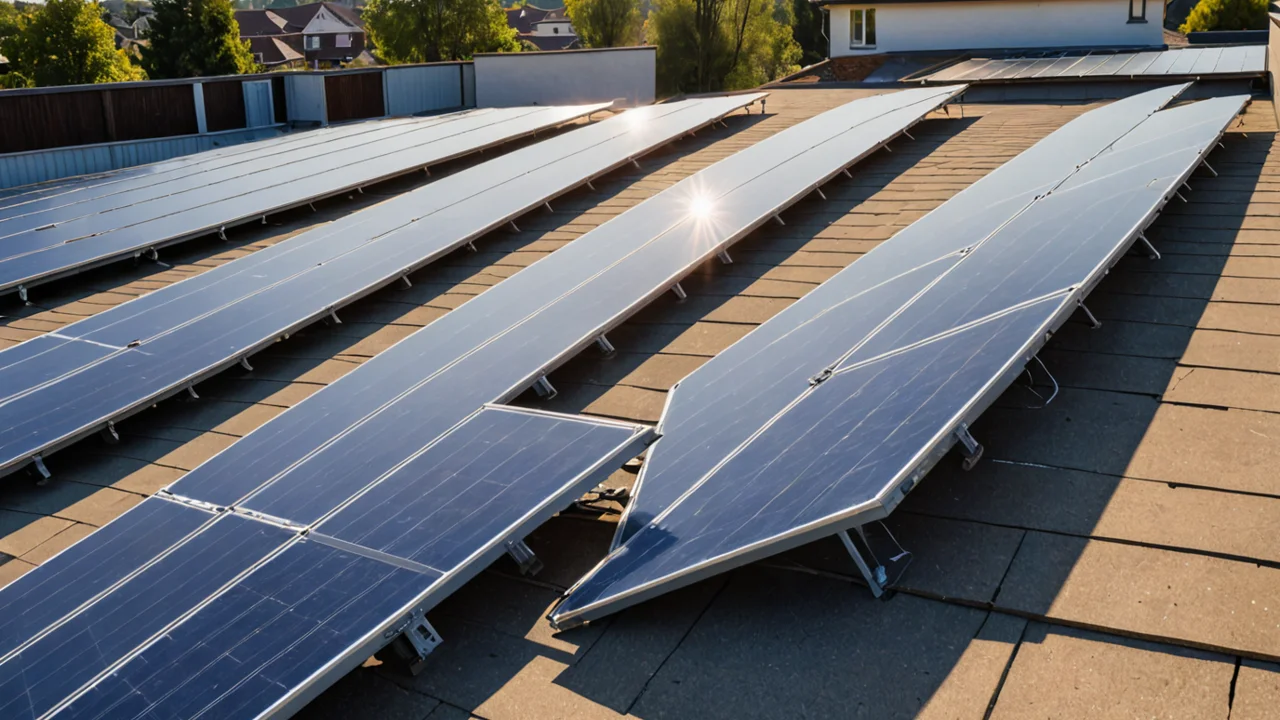
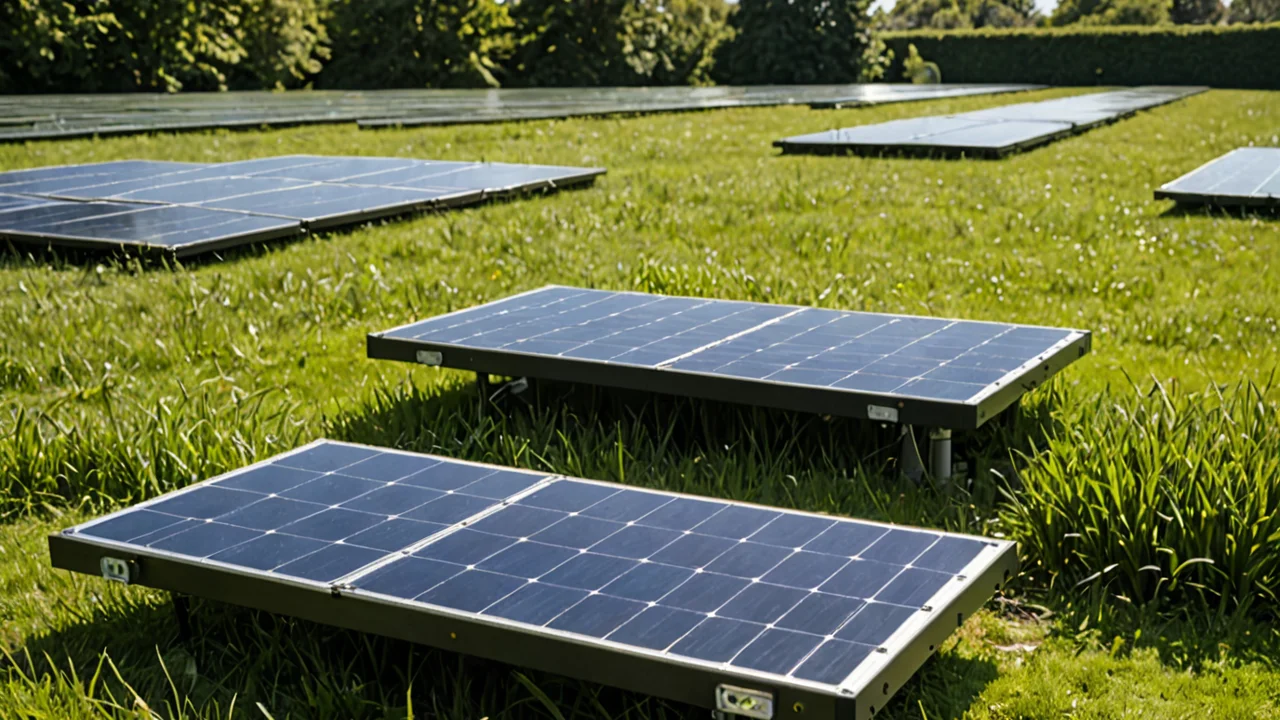
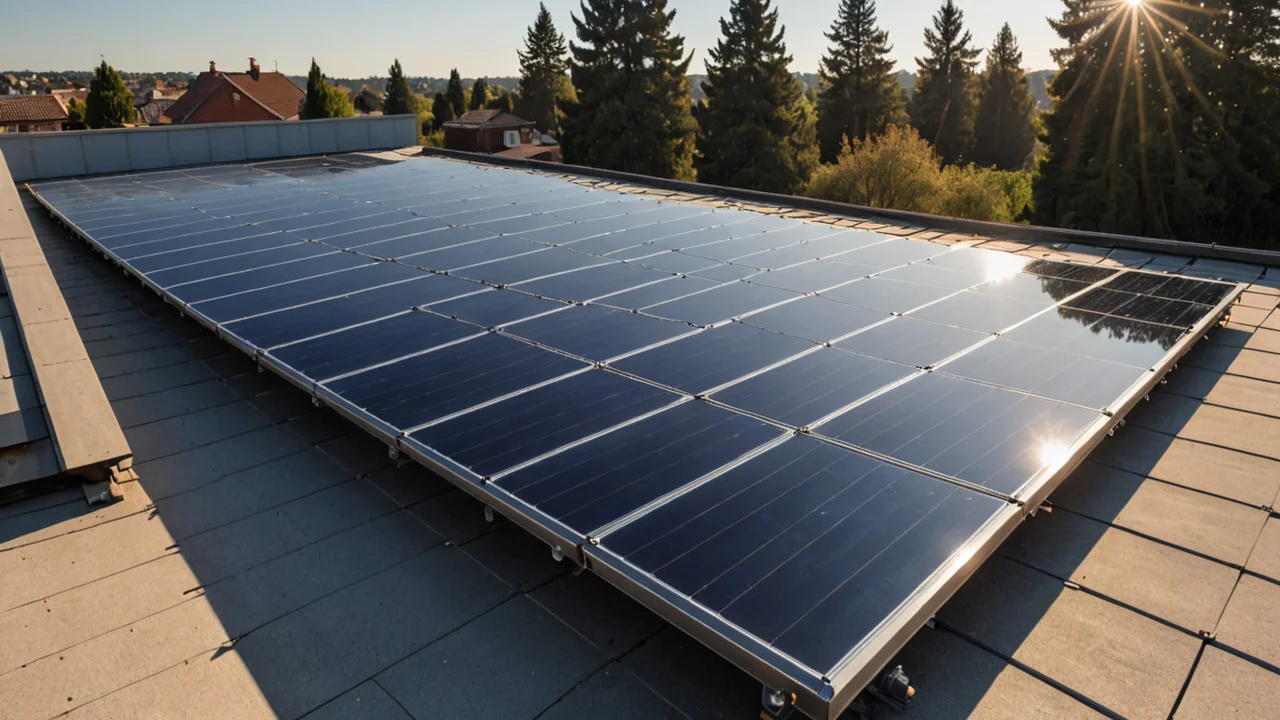
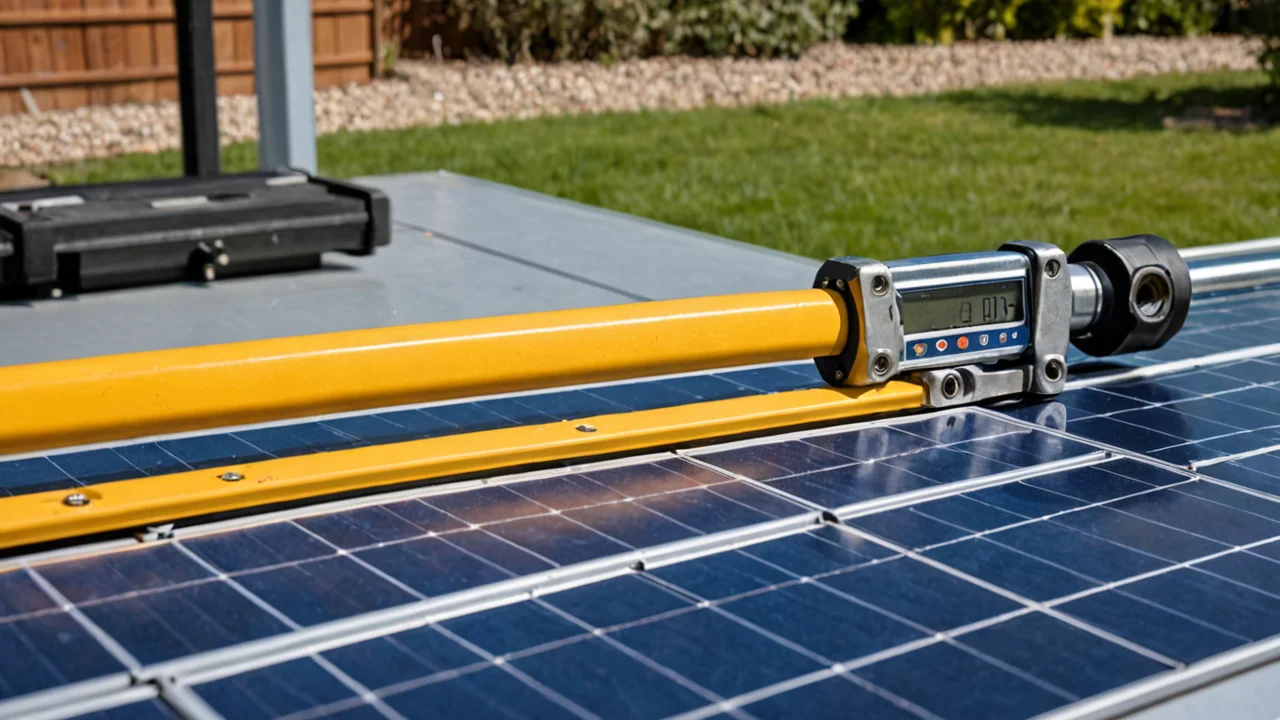
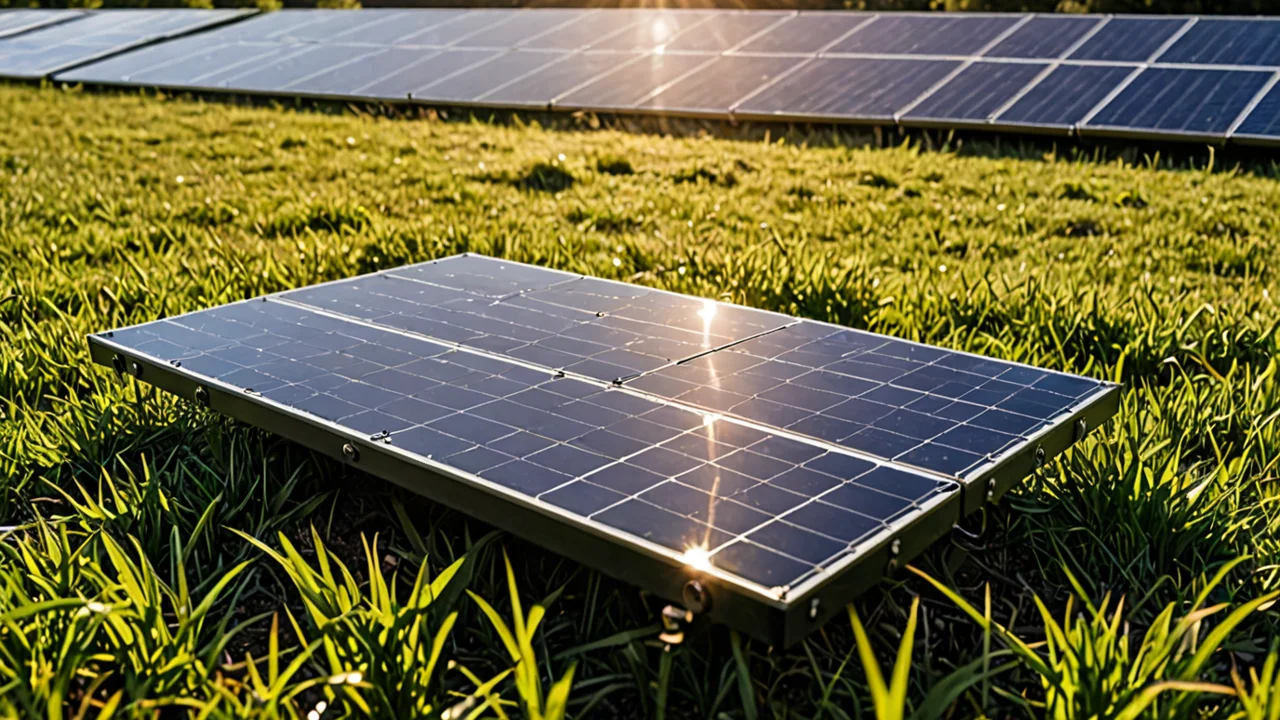
Size components to the demand you can measure, not to the demand a vendor imagines for you. In solar, the average U.S. residential photovoltaic system was 7.1 kilowatts direct current as of 2022—but that is an average, and averages are a bad design target for a specific house. A solar photovoltaic system is an arrangement of solar panels and associated equipment that converts sunlight directly into electricity, as described in U.S. Energy Information Administration distributed generation studies. The panels are only one component; the inverter, mounting, wiring, and disconnects are the rest, and each has its own sizing decision.
Load-first sizing means you read your own consumption before you choose capacity. If you insulate and air-seal first, the array you need shrinks; if you electrify heating and hot water, it grows. The order matters because every kilowatt of array you avoid is a component you do not have to manufacture, ship, mount, and eventually recycle. The trade-off is time: measuring a year of consumption delays the purchase, and if your utility's net-metering terms are changing, waiting has a cost too.
Solar panel efficiency—the percentage of sunlight energy that a solar cell or module converts into usable electrical energy, a metric reported by the National Renewable Energy Laboratory—is the number vendors lead with, and it is usually the wrong first question. Efficiency tells you how much power you get per unit of roof area. If roof area is your binding constraint, efficiency matters a great deal. If you have open roof or ground, a lower-efficiency module at a lower price per watt is the better component choice, and the extra area costs you nothing. The failure mode for over-indexing on efficiency is paying a premium for a module whose advantage you cannot use.
The same logic runs through everything else. Choose a battery by the depth of discharge and cycle life you will actually use, not by the headline capacity. Choose a charge controller by the array's voltage and current, with headroom for cold-morning open-circuit voltage, which rises as temperature falls. Choose wire gauge by voltage drop over the actual run length, because undersized cable wastes energy every hour of the system's life and is the most common quiet mistake in small installations.
Repairability and service life decide more than the spec sheet
Prefer components you can open, diagnose, and fix with standard tools, because service life is the dominant term in any environmental accounting and repair is how you extend it. A component with a ten-year life that is repairable will outlast a sealed component with a fifteen-year rated life that fails at year six and cannot be opened. The spec sheet rarely tells you this; the fasteners, the connectors, and the availability of spare parts do.
Concretely, look for standard connector types rather than proprietary ones, screws rather than adhesive, and parts that a manufacturer sells separately rather than only as an assembly. In electronics, this usually means choosing a device with a published service manual and a replaceable battery. In building components, it means choosing a fitting system that is still in production and stocked locally. The cost is real: repairable components are often slightly heavier, slightly more expensive, and less sleek than sealed ones. If the component is in a location where you will never service it—sealed inside a wall, on a roof you cannot safely access—then sealed and maintenance-free is the right call, and the repairability argument does not apply.
You find out whether a component is repairable when it breaks. The tell is whether the failure is a single part or the whole unit: a pump with a replaceable seal is a component, a pump with a potted motor is a consumable. Buy the first kind where you can. Keep a small stock of the parts that fail—seals, fuses, connectors, filters—because the second failure is usually the same as the first, and having the part on hand is the difference between a repair and a replacement.
Test the waste stream before you commit
Confirm that a material has a real end-of-life path in your area before you build the component around it, because a recycling claim without a processor is just a label. The national numbers show why: with a 32.1 percent recycling and composting rate and 54 percent of waste going to landfill as of 2018, the default fate of most material is burial. Your local stream is the only one that matters. Call the hauler, read the accepted-materials list, and ask specifically about the form you are buying—clean rigid plastic is accepted in many places; the same plastic as film usually is not.
Municipal solid waste—household and commercial trash generated in homes, schools, offices, and similar locations, as defined in EPA materials management reports—is the stream most components end up in. That framing matters because it tells you what infrastructure exists: curbside collection and transfer stations, not specialty industrial recycling. A component designed for an industrial take-back program only counts if that program actually exists and accepts your item. Many do, for specific products; verify the program before you rely on it.
Composting is the other half of the 32.1 percent, and it is where the material choice gets interesting. Untreated wood, paper, and natural fiber can go into a compost stream if your area collects food scraps and yard waste; treated lumber, painted wood, and most engineered composites cannot. The trade-off is durability: untreated wood rots faster, so you trade service life for a clean end-of-life. For a raised bed or a garden structure, that trade is usually right. For a structural beam, it usually is not, and pressure-treated lumber is the honest choice even though it will end up landfilled.
Beware the component that is technically recyclable but practically not: small items that fall through sorting equipment, items with mixed materials, and anything contaminated with food or oil. You notice this when the recycling you carefully sorted comes back as trash—or, more often, when you never find out because it disappears into the residue stream. Size and cleanliness are components of recyclability as much as the polymer is.
Energy and water components reward a whole-system view
Choose energy and water components as a system, because sizing each one in isolation produces a set that does not fit together. In a solar installation, the array, inverter, wiring, and storage have to be matched on voltage, current, and capacity, and a mismatch shows up as clipped output, nuisance trips, or a battery that never fully charges. The array's job is to produce; the inverter's job is to convert; the wiring's job is to carry without loss. Each is a component choice, and each constrains the others.
The whole-system view also changes what counts as a component. Insulation, air sealing, and shading are components in the sense that they determine how much generating capacity you need. A shade-tolerant inverter or microinverters may be the right choice on a partially shaded roof, where a single string inverter would drag the whole array down. The trade-off is cost and complexity per panel; microinverters are more expensive and more numerous, but they isolate failures and simplify expansion. On a clean, unshaded roof, a string inverter is usually the better value.
For water, the same logic applies to pumps, filters, and storage. Size the pump to the head and flow you need, not to the maximum the pipe can carry; oversizing wastes energy every hour. Choose filters by the contaminants you have tested for, not by the contaminants the marketing mentions. Store water in a tank sized to your actual daily use and refill interval, and choose the tank material by whether it will be in sunlight—opaque polyethylene for outdoor storage, because translucent tanks grow algae. The costs are space and money; the benefit is resilience when supply is interrupted.
One discipline that pays across all of these: buy the measuring component first. A clamp meter, a water flow meter, or a simple energy monitor tells you what the system actually does, and that data is what makes the next component choice defensible. The cost is small and the alternative—guessing—is how people end up with an oversized array or an undersized pump.
What each choice costs you, and when to stop optimizing
Every component decision trades one resource for another, and the useful skill is knowing which resource is scarce for you. Money, space, weight, service life, repairability, and end-of-life handling are the usual axes. A high-efficiency solar module trades money for roof area. A composite structural part trades recyclability for stiffness and weight. A sealed, maintenance-free pump trades repairability for reliability in a location you cannot reach. None of these is wrong in the abstract; each is wrong when it optimizes the axis you do not actually lack.
The environmental math is dominated by two things: how long the component lasts, and whether it displaces something worse. A solar panel that runs for decades displaces grid electricity every hour it operates, and that displacement usually dwarfs the footprint of making the panel. A component that fails early and is landfilled—joining the 54 percent that goes to landfill—carries its manufacturing footprint with no payback. So the first question is service life, the second is what it replaces, and the material and recyclability questions come after. This ordering is uncomfortable because recyclability is the easiest thing to market and the hardest to verify.
Stop optimizing when the next increment costs more than the thing it improves. If a higher-efficiency module costs a premium you will never recover in the energy it saves, buy the standard module and spend the difference on insulation, which reduces load permanently and has no end-of-life problem. If a repairable pump costs more than two sealed pumps and you will never service it, buy the sealed one. The failure mode of over-optimizing is paralysis: you research component after component, the system never gets built, and the displacement you were chasing never happens.
Set your constraints in writing before you shop: budget, available space, service access, local waste stream, and expected life. Then choose the component that satisfies all of them at the lowest cost, and accept that it will not be the best on any single spec. That is what choosing components well looks like—not the highest number on the data sheet, but the set of parts that fits your actual situation, lasts, and can be dealt with at the end. The rest is marketing.