Most home maintenance advice fails because it treats every item in the house as equally urgent. The working rule is to sort by consequence of failure and cost of neglect: the things that cause water damage, fire, or structural loss get scheduled first and paid for without argument; the things that only cost money to replace get serviced when convenient. A water heater anode rod costs far less than the heater it protects, and a clogged dryer vent is a fire risk rather than an inconvenience. Everything below follows from that ranking.
Start with water, because water is the only common failure that keeps costing after it happens
Inspect and exercise every shutoff valve in the house once a year, and replace the supply hoses on the washing machine on a fixed interval rather than waiting for a bulge. A burst supply line runs continuously until someone notices; the damage is measured in drywall, flooring, and mold remediation, not in the price of the hose. Braided stainless hoses are the standard replacement for the rubber ones that ship with most machines, and the reason is that rubber degrades from the inside where you cannot see it.
The water heater is the second piece of this. Flushing sediment out of the tank extends its life, and replacing the anode rod — the sacrificial metal that corrodes so the steel tank does not — is the single highest-return task on the appliance. When the rod is consumed, the tank itself begins to rust from the inside, and there is no repair at that point, only replacement. Homeowners who skip the rod often learn this when the tank fails and dumps its contents into a basement or closet. If your heater is old enough that you cannot remember the last rod change, pull the rod and look: if it is down to a thin core wire, the tank's remaining life is short.
Around the envelope: clear the gutters before the wet season rather than during it, and check that downspouts discharge away from the foundation. Grade that slopes toward the house moves water into the basement or crawlspace, and that shows up as efflorescence, damp framing, or a musty smell long before it shows up as a puddle. The limit of this advice is that it does not apply equally everywhere — a slab-on-grade house in a dry climate has less to gain from foundation drainage work than a house with a basement in a wet one, and spending on the wrong one is a real cost. Match the effort to the actual risk of your building and climate.
Ventilation and combustion appliances are the tasks where neglect is a safety problem, not a budget problem
Clean the lint screen on the dryer every load and clean the full duct run periodically, because lint accumulates in the duct and the dryer's heat is exactly the ignition source that turns it into a fire. The visible screen is not the whole system; the duct behind the machine is where the risk builds. A dryer that takes noticeably longer to dry a load, or that feels hot to the touch on top, is telling you the airflow is restricted.
Get combustion appliances — furnace, water heater, boiler, any gas or oil appliance — inspected and serviced on a schedule, and keep carbon monoxide alarms on every level of the home and outside sleeping areas. A cracked heat exchanger or a blocked flue can put combustion gases into the living space, and that failure is invisible and odorless until it makes someone sick. This is the clearest case on the whole list where a professional service call is the right choice: the diagnostic equipment and the training to read it are not something a homeowner substitutes for with a flashlight.
Change HVAC filters on the interval the filter and system call for — a clogged filter strains the blower and raises energy use — but do not assume "more filtration" is always better. Very high-MERV filters can restrict airflow in a system not designed for them, which costs efficiency and can ice the coil. The trade-off is real: better filtration for allergies versus the static pressure your ductwork and blower can actually handle. Check the system's rated filter specification rather than buying the highest number on the shelf.
The bathroom exhaust fan is the same category done cheaply. Run it during and for a while after showers, and make sure it actually vents outdoors rather than into the attic, where it dumps moisture into the coldest part of the structure. A fan that vents into the attic is worse than no fan in some ways, because it concentrates moisture exactly where condensation and mold take hold. You can check by going into the attic and following the duct.
Roof, gutters, and drainage: the annual inspection that prevents the expensive repair
Look at the roof twice a year and after major storms, from the ground with binoculars if you are not comfortable on it. What you are looking for is missing or lifted shingles, granule loss in the gutters, cracked flashing around chimneys and vents, and any sag or soft spot. Flashing failures cause most of the leaks that are not from storm damage, and flashing is cheap to reseal and expensive to discover after a ceiling stain appears.
Gutter maintenance is unglamorous and it is the cheapest insurance against foundation and siding damage. Clogged gutters back water up under the roof edge and send it down the fascia instead of the downspout; the result is rotted fascia, soffit damage, and water against the foundation. Gutter guards reduce the frequency of cleaning but do not eliminate it — fine debris and shingle granules still accumulate, and in heavy pine-needle areas guards can make the problem worse by trapping material. The honest cost of guards is that you may still have to clean them, just less often, and you paid for the installation.
Trim tree limbs back from the roof. Branches abrade shingles, drop debris into gutters, and give animals a bridge onto the roof. This is a task many homeowners defer because it is not urgent in any single season, which is exactly why it becomes a roofing bill later.
Major systems: what to service, what to replace, and when the math actually favors replacement
Service the furnace and air conditioner annually, and replace the air conditioner or furnace when repair cost and remaining life stop making sense together. The rule of thumb most technicians use is that if a repair approaches a large fraction of replacement cost on equipment near the end of its service life, replace rather than repair. The exact fraction is a judgment call, and the honest version is: get the age of the equipment and a written repair estimate, then decide. A repair on young equipment is almost always worth it; a repair on equipment well past its expected life often is not, because the next failure is already loading.
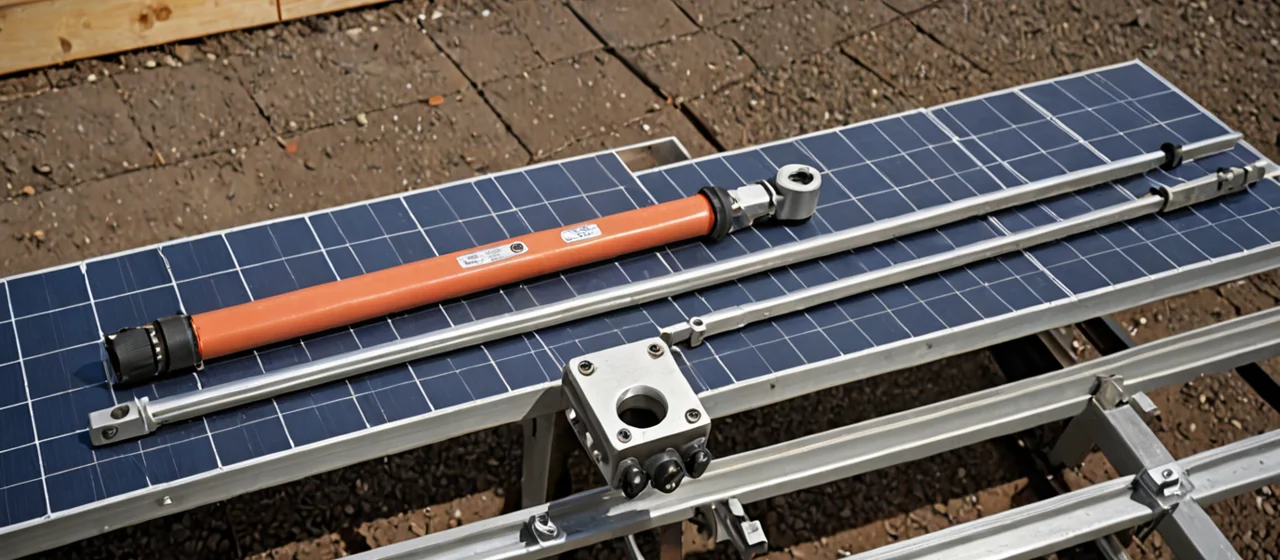
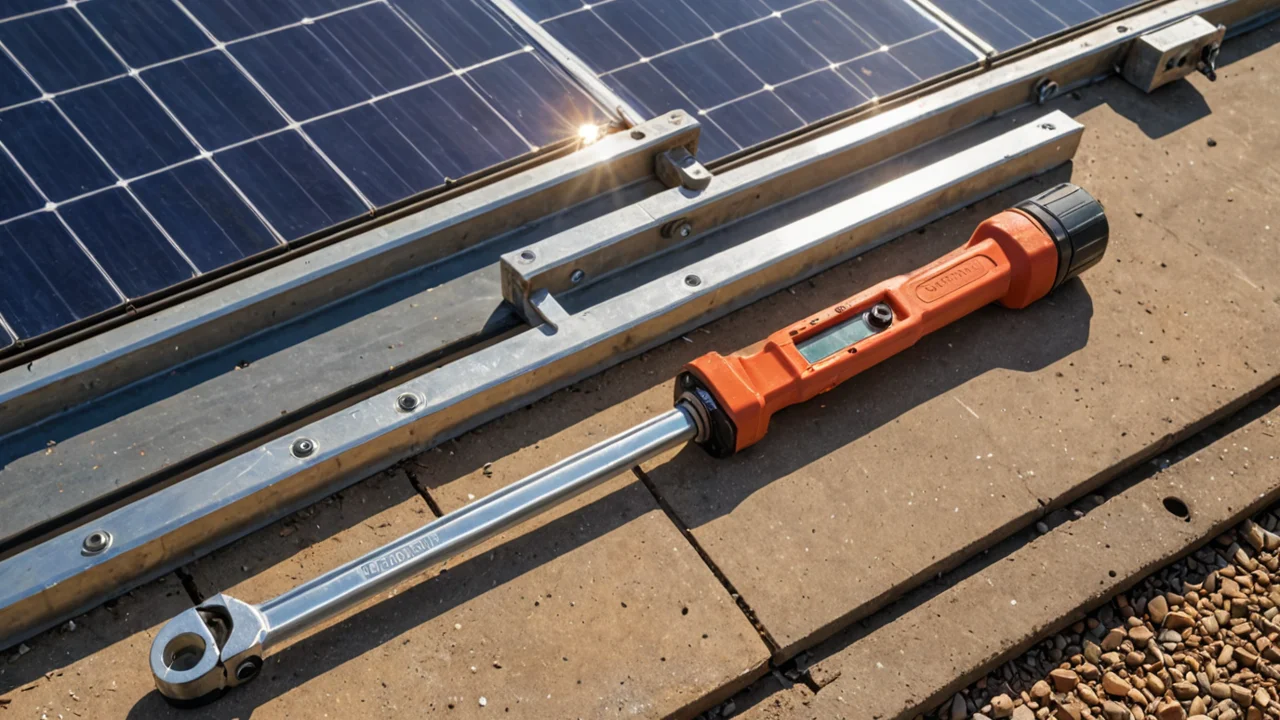
Solar photovoltaic systems need surprisingly little maintenance, which is worth saying plainly because the pitch for them sometimes implies more. A solar photovoltaic system is an arrangement of solar panels and associated equipment that converts sunlight directly into electricity, and the maintenance is mostly cleaning and inspection. Dirty panels lose output, so wash them when they are visibly soiled — more often in dusty climates or near trees, less often where rain does the work. Inspect the mounting and the wiring periodically, and watch production data for a drop that suggests a failed inverter or a shaded or damaged panel. Average U.S. residential solar PV system capacity was 7.1 kW-DC as of 2022, which gives you a sense of the scale of a typical array, and an inverter failure on a system that size is a real cost to budget for, not a trivial one.
Panel efficiency — the percentage of sunlight energy a solar cell or module converts into usable electrical energy, a metric reported by the National Renewable Energy Laboratory — matters when you are choosing panels, but it matters less than people think once the system is installed. Once it is on the roof, the maintenance question is output and safety, not the efficiency number on the spec sheet. The trade-off worth knowing: higher-efficiency panels cost more per watt and make sense when roof area is limited; when you have room, the cheaper panels often produce the same total energy for less money.
Seal and insulate the building envelope before upgrading equipment. Air sealing and attic insulation are usually cheaper than a new HVAC system and reduce what the system has to do. Doing it in the other order — new equipment first — means you paid for capacity you did not need. This is one of the few places where the sequencing genuinely changes the total cost.
Repair or replace: the decision framework that keeps you from guessing
Weigh three things before any replacement decision: the age of the item against its expected service life, the cost of the repair against the cost of replacement, and whether the failure is one-time or a pattern. A single repair on a young appliance is maintenance. The same repair on an old appliance, or a second failure of the same kind, is a signal that the unit is at the end of its life and you are now paying to postpone a replacement you will make anyway.
For anything with a motor, a compressor, or a sealed refrigerant circuit, factor in the labor. A cheap part behind an expensive disassembly is not a cheap repair. Ask for the estimate in writing and ask what the technician would do in your position — the answer is often more useful than the price, because it tells you whether the repair is routine or a patch.
The trade-off to be honest about is that replacing early costs money now to avoid a failure at a bad time. There is no universally correct answer. A water heater that fails in a finished basement causes damage far beyond its replacement cost, which argues for replacing on a schedule rather than on failure; a dishwasher that fails quietly under a counter does less collateral damage and can be run until it dies. Match the replacement timing to the consequence of failure, not just to the age of the machine.
Waste, materials, and the bigger picture of what maintenance actually diverts
Repairing and maintaining things keeps material out of the waste stream, and the scale of that is larger than most people assume. U.S. municipal solid waste — household and commercial trash generated in homes, schools, offices, and similar locations, as defined in U.S. Environmental Protection Agency materials management reports — totaled 292.4 million tons in 2018, of which 93.9 million tons, or 32.1 percent, was recycled or composted. The disposal split that year was 32 percent recycled or composted, 14 percent burned at combustion facilities, and 54 percent landfilled. Per capita, that is 1,800 pounds per person per year.
Recycling, as the EPA describes it, is collecting and processing materials that would otherwise be thrown away as trash and turning them into new products. The maintenance connection is direct: a repaired appliance, a re-covered cushion, a re-sealed roof, a serviced furnace all stay out of that 54 percent that goes to landfill. The limit of the framing is that repair is not always the lower-impact choice — a very old, inefficient appliance can use more energy and water over its remaining life than a new one, and the calculation is not obvious. Efficiency gains from replacement are real, and so are the embodied materials and transport of a new unit. The honest position is that repair usually wins for durable goods with long remaining life and loses for equipment already near end of life.
Hazardous and hard-to-recycle items need their own handling rather than the curbside bin: paint, solvents, batteries, electronics, and anything with refrigerant. Many municipalities run household hazardous waste collection days, and appliances with refrigerant require recovery by a technician rather than dumping. Knowing where these go before you start a project saves you from a mess in the garage and a bad decision at the curb.
Composting is the other lever, and it is maintenance of a different kind — of soil and landscape rather than of the house. Yard waste and food scraps that go to a compost pile or municipal program are diverted from landfill, and the finished compost feeds back into the garden and lawn, reducing the need for purchased inputs. The trade-off is attention: a compost pile that is not turned or balanced can smell and attract pests, which is why the commitment matters more than the bin you buy.
The through-line across all of it is the same one from the top: spend on the things whose failure compounds, schedule the rest, and let the age and consequence of failure tell you when to repair and when to replace. The tasks that protect against water, fire, and structural loss come first; the ones that only cost money to replace can wait their turn. A house maintained on that ranking spends less over time than one maintained by urgency, because urgency is the most expensive maintenance schedule there is.